
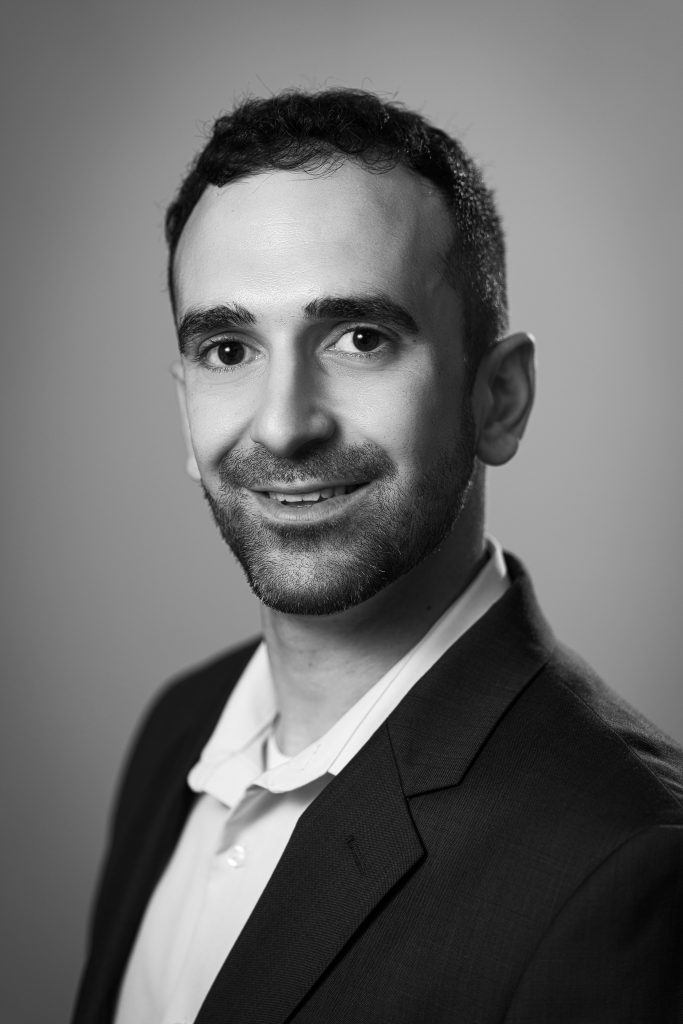
Connect with Harry on LinkedIn
When I decided to pursue a career in HVAC, it wasn’t because I had some lifelong dream of working with heating and air conditioning. It was practicality. I was looking at different career paths and noticed how crowded many of them were. Everyone seemed to be chasing the same jobs. At the same time, very few people were going into hands-on, technical fields.
I remember talking to my father about it. He said something simple that stuck with me: we’re always going to need heating and air conditioning. That made sense. On top of that, I’d always been interested in science and technology. HVAC felt like a field where both could come together.
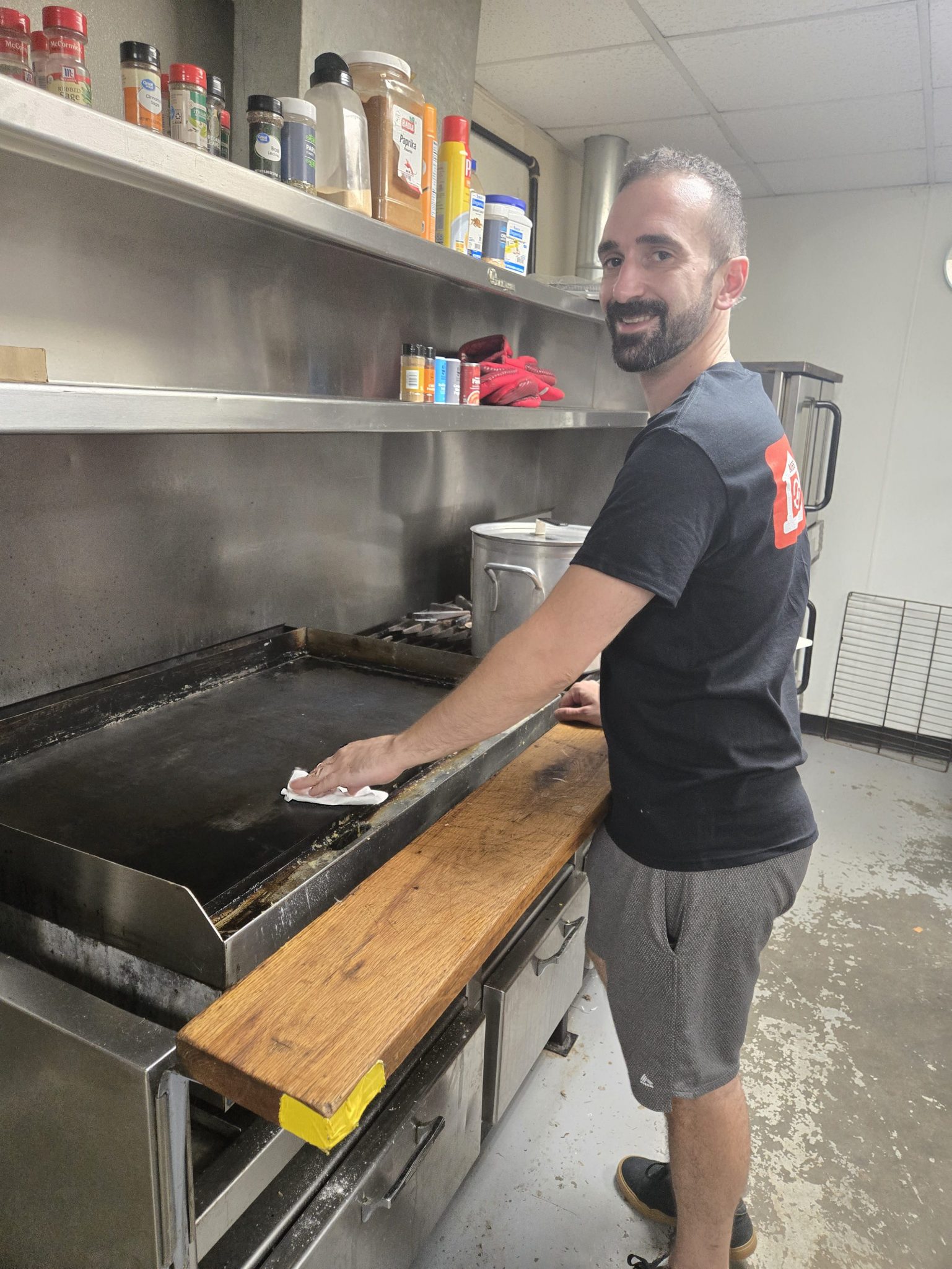
My father owned a restaurant and bar, and the biggest problems were never the obvious ones. It was always the freezers, the refrigerators, the air conditioning in the summer, and the heat in the winter. Those systems mattered. When they failed, everything stopped. I spent time working on them with him, and that gave me early exposure to how critical HVAC really is. I also started noticing that the industry was changing fast, becoming more technological, more connected. That’s when I realized this could be a long-term career, not just a job.
Instead of going the traditional college route, I decided to attend technical school for HVAC. It was risky, but it worked out.
Starting Anywhere Just to Get In
I didn’t wait until I had a diploma to get into the industry. I took a warehouse job, any job that would put me inside an HVAC company. My role was simple: organize trucks, make sure installers had everything they needed for the next day.
But I used that time to learn. I got to know the service techs, installers, and technicians. I asked questions. I went out to job sites whenever I could. I wanted to understand how everything worked, not just from a book, but in real life.
That’s when I noticed something important. There was a gap in the industry. A lot of people were excellent mechanically. Others were very strong with technology. But very few were comfortable in both worlds.
I had always been tech-oriented. Growing up, I spent a lot of time taking apart computers, hacking phones, and figuring out how to make cheap equipment do what better equipment could do. Technology grew up alongside me, and I learned by necessity. Eventually, I realized I could apply that same mindset to HVAC.
Growing Inside Mitsubishi Electric
After earning my HVAC diploma, I applied for jobs everywhere. I didn’t hear back from many places. Then a connection led me to a technical support opening at Mitsubishi Electric.
The first call was unusual. I didn’t have much experience, and at one point I admitted I didn’t know the answer to a question. But I told them that if they gave me the interview, I’d have the right answer by then. What they were really looking for wasn’t just experience, they wanted someone who could handle technology. Wi-Fi, controls, connectivity. That was where many people struggled.
Technical support became my foundation. I wasn’t just answering calls. When things were slow, I wrote guides, documented solutions, and created internal resources to help others. That extra work opened doors. I moved into controls-focused support, then deeper into system-level roles.
Eventually, I transitioned into applications engineering. That was one of my favorite roles. Customers would come in with ideas that were unusual, sometimes borderline within code, sometimes just far outside the norm. My job was to help design solutions that worked. It was creative, challenging, and never repetitive.
From there, I started working closely with product management. I shared ideas, critiques, and suggestions on how products could be improved. I wasn’t quiet about it. That caught attention. When a product management role opened up, I stepped into it.
Today, I’m a Product Manager for residential controllers, thermostats and control systems.

Leading Without Authority
I don’t manage a team in the traditional sense. No one reports directly to me. But managing a product means coordinating engineers, sales teams, marketing, and support, all without authority.
It’s all negotiation. Convincing people that an idea is worth their time. I like to think of myself as a vision moving through the company, hoping others see it and choose to follow. It’s difficult, but it’s also rewarding.
Technology, Regulations, and Reality
The HVAC industry changes constantly. Regulations, refrigerants, electrification, it all impacts product development. I’ve had projects where regulations forced a complete redesign. It’s frustrating, but I understand why it happens. That’s part of the job: adapting to things you can’t control.
Sustainability and electrification are huge priorities, but I try to approach them realistically. Not everyone can replace all their equipment tomorrow. In some climates, heat pumps aren’t always the best standalone solution. I believe in transitional approaches, giving people better efficiency and control without forcing them into all-or-nothing decisions.
What “Smart” Really Means to Me
I work in smart controls, but I don’t think “smart” should mean complicated. Many smart thermostats require users—and contractors—to think too much. My goal is the opposite.
A system should work quietly in the background. It should balance comfort and efficiency without demanding constant input. In the future, I see systems that adapt automatically, ask simple questions, and respond intelligently to real conditions. The smartest systems should feel invisible.
Values That Shaped Me
My parents immigrated from Greece, and I grew up learning how to work hard and deal with people. My father was a mechanic before opening a restaurant, and that’s where I learned customer service too. I watched how my parents handled difficult situations and upset customers. I learned early that being right isn’t as important as making things right.
I spent nearly nine years living in Greece, including mandatory military service. It changed my perspective completely. I met people from all over the world and realized how similar we all are. That experience shaped how I approach work and life.
I value integrity, curiosity, and making things easier for others. I grew up seeing how hard things can be when resources are limited, and that drives me to create products that reduce friction for customers and for the people who work with them.
Advice for Anyone Entering HVAC
Curiosity is the difference-maker. The people who succeed are the ones who keep asking questions and pushing forward.
I had mentors who pushed me to speak up, even when it felt uncomfortable. One of the best lessons I learned was this: if you have something worth saying, say it. Someone has to.
HVAC has given me endless challenges, opportunities, and puzzles to solve. I still see it that way. I’m not done learning, and I don’t plan to be anytime soon.