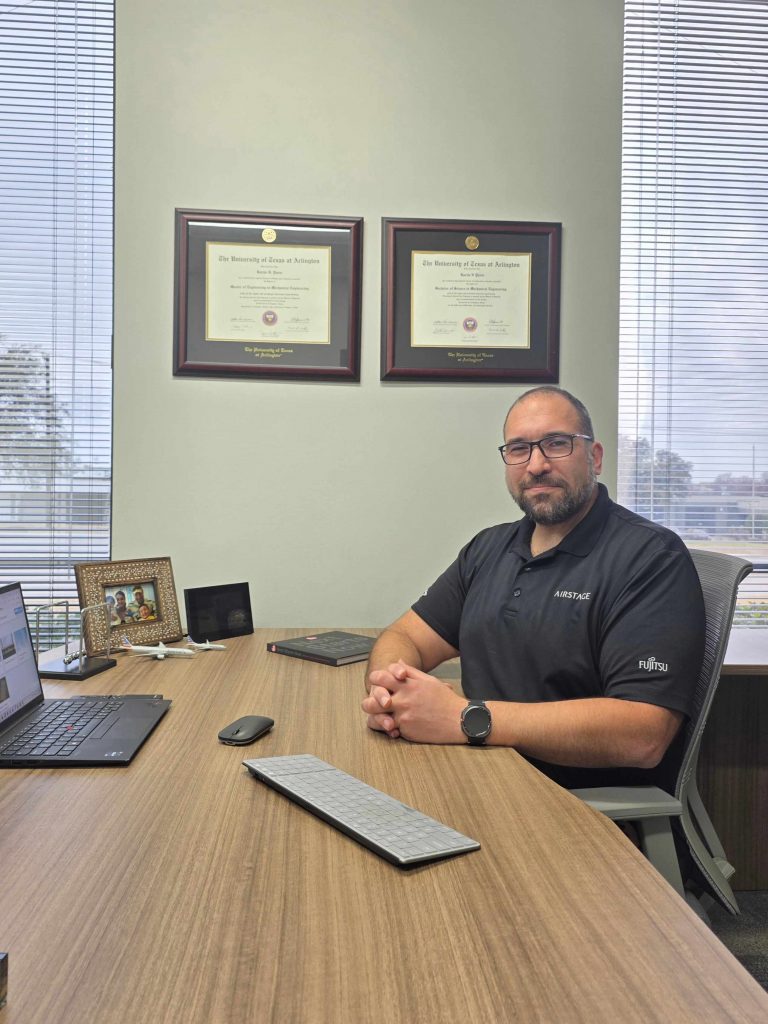

Connect with Karim on LinkedIn
I didn’t grow up dreaming about HVAC. Like many engineers, my imagination as a kid was closer to aerospace—the idea of building machines that fly. I began college pursuing that fascination before switching to mechanical engineering. At graduation I had two offers on the table: one in defense and one from Carrier. I had to choose a direction that would shape the rest of my career.
I chose HVAC.
What pulled me in wasn’t a specific product or job title. It was realizing that HVAC is bigger than equipment. It influences how families live, how buildings perform, and how communities reduce their environmental footprint. Once I understood the scale of that impact, I knew this was an industry where I could do meaningful work.
Finding a Path Through Opportunity
I didn’t come from an HVAC family, and no one mapped a path into the trade for me. I entered through opportunity and stayed because the work kept expanding in front of me.
I started with Carrier as a Mechanical Systems Division Engineer focused on refrigeration. While working there, I returned to school and earned a master’s degree in mechanical engineering with an emphasis on heat transfer. That deepened my technical foundation and made the field even more compelling.
From there my career moved through refrigeration projects supporting nuclear power at Nuclear Logistics, then to Johnson Controls, Johnson Controls Hitachi, and eventually Fujitsu General America. I spent nearly eight years with Fujitsu General, serving most recently as Vice President of Product Management and Regulatory Affairs for North America.
In 2025, Fujitsu General was acquired by Paloma Rheem Holdings, and our organization became part of the broader Rheem family of companies. Today I continue to lead product strategy within General HVAC solutions, working to integrate Fujitsu General’s technology and heritage with Rheem’s scale, channel strength, and long-term vision for electrification and connected comfort.
An Industry Built on Thermodynamics—and Trust
Early on I learned that HVAC is as much about relationships as it is about engineering. You can debate thermodynamics all day, but the industry ultimately runs on trust—between manufacturers, distributors, contractors, engineers, and end users.
I live in Texas. When someone sets their thermostat to cooling, they don’t want a lecture on efficiency curves. They want comfort, reliability, and confidence that the system will work.
I was also struck by how fast the industry is evolving. There’s a perception that HVAC changes slowly because the physics hasn’t changed in a century. Yet today transformation is being driven by electrification, connectivity, advanced controls, and a complex regulatory environment. The fundamentals remain, but expectations and tools are moving faster than ever.
Alignment as a Discipline
One of the most consistent challenges in my career has come from working inside global organizations.
When your engineering teams are in Japan, your manufacturing footprint is global, and your commercial teams are in North America, alignment becomes its own discipline. Timelines can be aggressive, priorities can compete, and even scheduling meetings gets interesting when you’re coordinating across Japan, North America, Europe, and Australia.
Over time, I learned that alignment is not achieved through authority. It’s achieved through clarity. Clear ownership, shared goals, and transparent communication can do more than any org chart ever will. Translating between cultures, disciplines, and priorities is part of the job, and learning to do it well is what keeps the work moving.
What I Learned About Leadership as an Engineer
I still get pulled toward the technical side. That engineer’s curiosity never leaves.
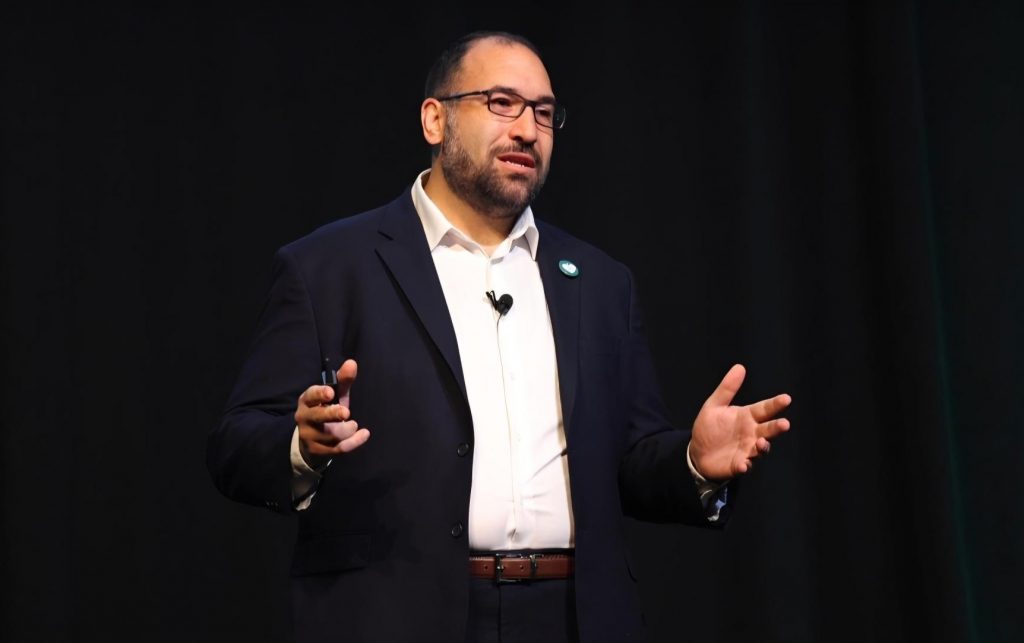
But leadership taught me something more important: it isn’t about having all the answers. It’s about creating an environment where teams feel empowered to solve problems together. The best ideas rarely come from one person. They emerge from collaboration and from people feeling safe to speak openly.
Good leadership makes teams better at thinking, not better at following.
The Work We Do Has to Earn Trust Every Day
For me, sustainability and performance are no longer trade-offs. Modern systems can be more efficient, quieter, and smarter at the same time. Yet technology alone isn’t enough. Contractors are the ones discussing HVAC at kitchen tables every day. Supporting them with education and practical tools is what determines whether innovation truly takes hold.
Looking ahead, electrification, heat pumps, demand response, and grid-interactive systems will only grow in importance. Workforce development may be our biggest challenge. HVAC may not sound glamorous, but it is essential, and its future depends on how well we bring new talent into the field.
Values That Guide the Work
The values I’ve seen matter most, across companies and across teams, are integrity, accountability, and respect for people.
I believe strong results come from doing the right thing, even when it’s difficult. In engineering, you sometimes face decisions where the “faster” path exists, but it comes with safety concerns or long-term risk. In those moments, the decision is clear. If human lives could be affected, you do the right thing, no matter the cost.
Advice to Those Entering HVAC
If I could give advice to someone entering HVAC, it would be simple. Learn the fundamentals. Spend time in the field. Never underestimate the value of listening. This industry rewards curiosity. If you stay curious and stay close to real-world conditions, you’ll grow faster than someone who only learns the theory.
“Integrity in Tough Decisions”
I’ve had many mentors across leadership, technical, and professional levels, and I consider myself lucky for that.
One piece of advice that stuck with me came from Mr. Andy Armstrong, author of The Grace Arsenal. who told me to always focus on doing the right thing even when it’s inconvenient. That lesson shaped how I think about product and engineering decisions, speed is important, but integrity is non-negotiable.
The equipment we design ends up in hospitals, schools, and homes. We don’t have the luxury of getting that wrong. The work we do doesn’t just ship products. It shapes how people live.
Where It Really Started
My connection to HVAC is also personal. I grew up in the Middle East and spent early years in Saudi Arabia, where the air conditioners in our home were General units, the company I would one day join. Desert summers are unforgiving, and those systems were unstoppable. I’ve even heard that some units from the mid-1980s are still running today.
It amazes me that I ended up working for the same company that gave my family comfort in one of the harshest climates on earth. And now, through the Paloma Rheem acquisition, helping bring that legacy together with Rheem’s century-long commitment to innovation. It’s a full-circle story I never planned, but one I’m proud to be part of.